

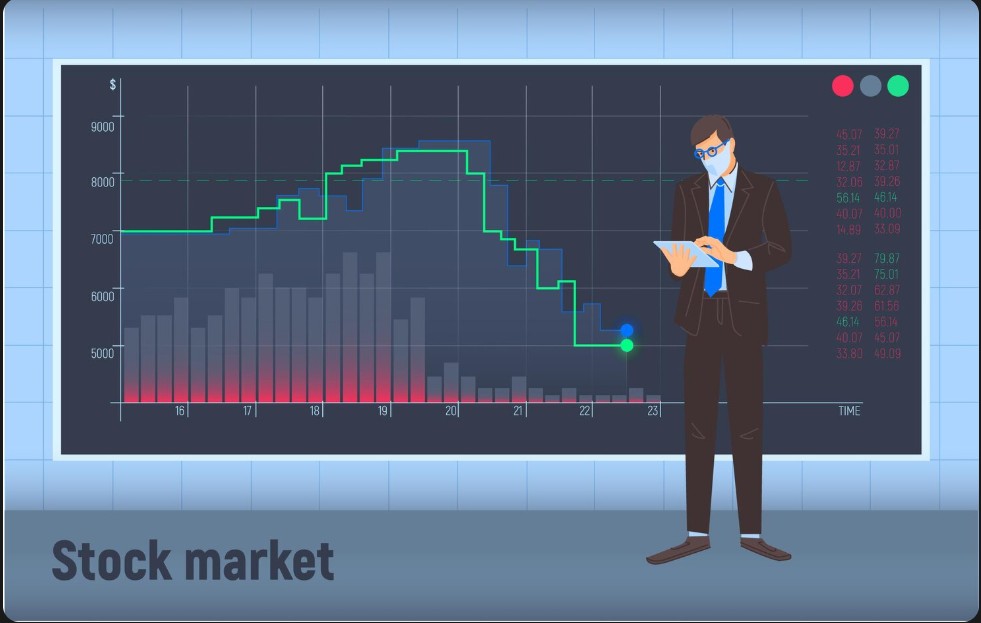
Systematic Investment Plan (SIP) is a structured way to invest in mutual funds with consistency and long-term focus. With the rise of digital investing, many individuals now rely on a trading app or a share market app to manage their SIPs efficiently. These platforms simplify investment tracking, automate contributions, and provide insights that support better financial decisions.
A well-planned SIP strategy goes beyond regular investing. It includes goal setting, fund selection, risk management, and periodic review. When supported by a trading app or share market app, investors gain better control over their portfolio and can maintain discipline across different market conditions.
What is SIP Investment?
SIP is a method of investing a fixed amount in mutual funds at regular intervals. Instead of investing a large amount at once, SIP allows gradual investment over time.
Key Features of SIP
- Fixed amount invested at regular intervals
- Reduces the impact of market volatility
- Encourages disciplined investing
- Suitable for both new and experienced investors
Why Mutual Fund Apps Are Important for SIP
Technology has made investing more accessible. Mutual fund apps play a significant role in simplifying SIP investments.
Benefits of Using Apps
Easy Setup and Automation
Investors can start SIPs quickly and automate monthly contributions without manual effort.
Real-Time Portfolio Tracking
Apps provide updated information about returns, fund performance, and allocation.
Goal-Based Planning
Users can align investments with financial goals such as education, home purchase, or retirement.
Fund Comparison
Investors can compare different mutual funds before making decisions.
SIP Investment Strategy Framework
A structured approach helps investors maximize the benefits of SIP.
Define Clear Financial Goals
Start by identifying why you are investing. Goals may include:
- Building long-term wealth
- Saving for education
- Planning for retirement
Clear goals help in choosing the right investment approach.
Select Suitable Mutual Funds
Different types of funds serve different purposes.
Equity Funds
Suitable for long-term growth and higher return potential.
Debt Funds
Provide stability and are suitable for conservative investors.
Hybrid Funds
Offer a balance between growth and stability.
Decide Investment Amount and Frequency
Choose an amount that fits your financial situation. Consistency matters more than the size of investment.
Monthly SIPs are widely preferred as they align with regular income patterns.
Use Cost Averaging
SIP works on the principle of cost averaging.
- More units are purchased when prices are low
- Fewer units are purchased when prices are high
This reduces the risk of investing at the wrong time.
Monitor and Adjust Portfolio
Regular review is important even when investments are automated.
- Check performance periodically
- Rebalance portfolio if needed
- Stay aligned with changing financial goals
Role of Technology in SIP Investing
Mutual fund apps provide tools that improve investment decisions.
Useful Features
Performance Insights
Detailed analytics help investors understand returns and trends.
Notifications
Reminders ensure that SIP payments are not missed.
Risk Evaluation
Apps help assess risk levels based on fund selection and allocation.
Common Mistakes to Avoid
Even with a good strategy, certain mistakes can affect returns.
Stopping SIP During Market Downturn
Market fluctuations are normal. Stopping SIPs during downturns can impact long-term growth.
Ignoring Portfolio Review
Regular monitoring helps in identifying underperforming funds.
Investing Without Planning
Lack of clear goals can lead to inconsistent investment decisions.
Holding Too Many Funds
Managing too many funds can reduce efficiency and create confusion.
SIP vs Lump Sum Investment
SIP is suitable for investors who prefer gradual investment and reduced risk exposure. Lump sum investment may work for those who have a large amount available and can handle market timing risks. SIP is generally preferred for maintaining discipline and consistency.
How to Optimize SIP Strategy Using Apps
Using app features effectively can improve investment outcomes.
Automate Contributions
Set up auto-debit to ensure consistent investment without interruption.
Track Goal Progress
Use dashboards to monitor progress toward financial objectives.
Use Calculators
Estimate future returns based on investment amount and duration.
Increase SIP Gradually
Increase investment amounts over time as income grows.
Tax Considerations in SIP Investment
Taxation depends on the type of mutual fund and investment duration.
Equity Funds
Long-term investments may have lower tax implications compared to short-term investments.
Debt Funds
Tax treatment varies based on applicable rules and holding period.
Investors should consider tax impact while planning their SIP strategy.
Conclusion
A disciplined SIP investment strategy combined with mutual fund apps provides a practical approach to long-term financial growth. Using a trading app or a share market app, investors can automate investments, monitor performance, and make informed decisions without complexity.
Consistency, planning, and regular review are essential for successful investing. Whether starting with a small amount or building a larger portfolio, a trading app or share market app helps maintain control and visibility, ensuring that SIP investments stay aligned with financial goals over time.
FAQs
1. What is the ideal duration for SIP investment?
Long-term investments, typically five years or more, are considered suitable for better growth.
2. Can SIP be paused or stopped?
Yes, investors can pause or stop SIPs anytime based on their financial situation.
3. Is SIP suitable for beginners?
Yes, SIP is a simple and disciplined way for beginners to start investing.
4. How often should SIP portfolios be reviewed?
Reviewing once every six to twelve months is generally sufficient.
5. Can SIP amounts be increased over time?
Yes, investors can increase SIP contributions as their income grows.