

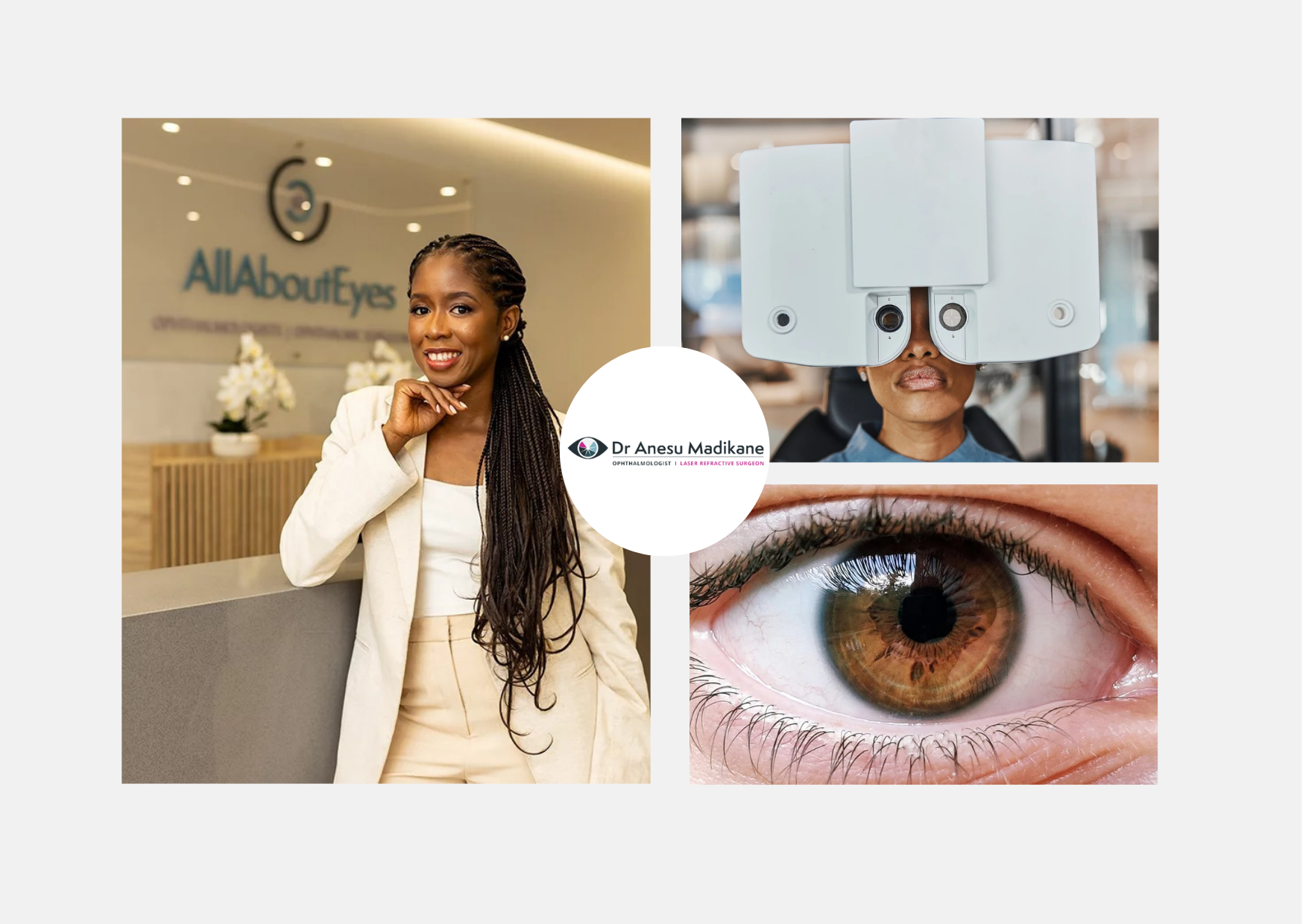
Why LASIK costs feel confusing at first
The often looks like a single number online, but the final bill is usually shaped by more than the procedure itself. Many people start shopping based on advertised “from” prices, then discover that their prescription strength, corneal thickness, and eye health can affect suitability. cost of lasik eye surgery in south Africa This gap between marketing and medical reality can create stress, especially when you also need to plan for travel, time off work, and follow-up visits. A clearer approach is to treat pricing as the end result of an assessment, not the starting point.
Another reason pricing can feel unpredictable is that clinics may bundle services differently. One provider might include comprehensive pre-operative testing, a customised surgical plan, and all post-operative checks within the quoted amount. Another provider may separate consultation, screening, imaging, and enhancement management, which can make the “total” harder to estimate. Understanding what is included helps you compare options fairly and reduces the chance of unexpected add-ons. When you know what drives cost, you can ask better questions during your consultation.
What affects the price of laser eye surgery
Several clinical and technical factors influence the final cost, including the complexity of your refractive error. Higher degrees of myopia or astigmatism may require a more tailored approach during planning, and that can influence how the surgery is performed. Corneal measurements matter too, because does medical aid cover laser eye surgery LASIK safety depends on having enough healthy corneal tissue for the laser reshaping. If you need additional evaluation for dry eye, irregular astigmatism, or other surface conditions, there may be extra steps before treatment can proceed.
Equipment and surgeon expertise also play a role in pricing. Modern platforms and refined imaging systems can support more precise mapping of the cornea, which may improve outcomes for selected patients. Experienced ophthalmologists may invest more time in pre-surgical planning and in quality control, even when the surgery itself follows a standard workflow. Location and practice overhead can affect how services are priced, too, particularly in busy urban centres where appointment availability is high. The most useful way to interpret pricing is to compare the whole care pathway, not just the headline fee.
How to budget and reduce financial risk
Start by requesting a detailed quote that breaks down the process into clear components. Ask what pre-operative tests are included, how many follow-up visits are covered, and whether enhancement procedures are handled within the pricing structure if they become necessary. You should also ask about medication bundles such as prescription drops and whether they are provided or billed separately. These questions help you build a more accurate budget and avoid surprises after surgery.
It can also help to discuss payment options in advance, because some practices offer staged payments or financing arrangements. Consider the total cost of ownership of the decision: transport to appointments, costs for protective eyewear, and recovery-related adjustments. Planning for someone to accompany you on surgery day can reduce stress and potential extra expenses. If you are comparing multiple clinics, insist on seeing comparable test results, because two people quoted the same price may not be comparable candidates. The right solution balances safety, expected outcomes, and transparency of pricing.
?
Many patients ask whether medical aid covers laser eye surgery, and the answer depends on the specific medical scheme and its benefit rules. Some plans may cover refractive surgery only under certain conditions, such as documented medical necessity or established criteria based on eye measurements. Others may require prior authorisation before treatment, and they may limit coverage to particular providers or approved procedures. Because benefits vary widely, it is important to confirm coverage details with your scheme and request the necessary documentation from your ophthalmologist.
Even when full coverage is not available, medical aid may still help with certain consults or diagnostic components, reducing the out-of-pocket portion of the overall plan. Your ophthalmology team can guide you on what reports and test results are typically needed for assessment and authorisation. If coverage is limited, a clinic that offers clear pricing and a defined care plan can still make LASIK feel more manageable. For professional guidance and a structured explanation of what influences costs, you can explore resources at dranesumadikane.co.za, where patients can learn about refractive surgery options and how pricing factors are assessed with care. Dr Anesu Madikane focuses on helping patients understand their choices so they can make decisions with confidence.
Conclusion
Visit Dr Anesu Madikane for more details.