

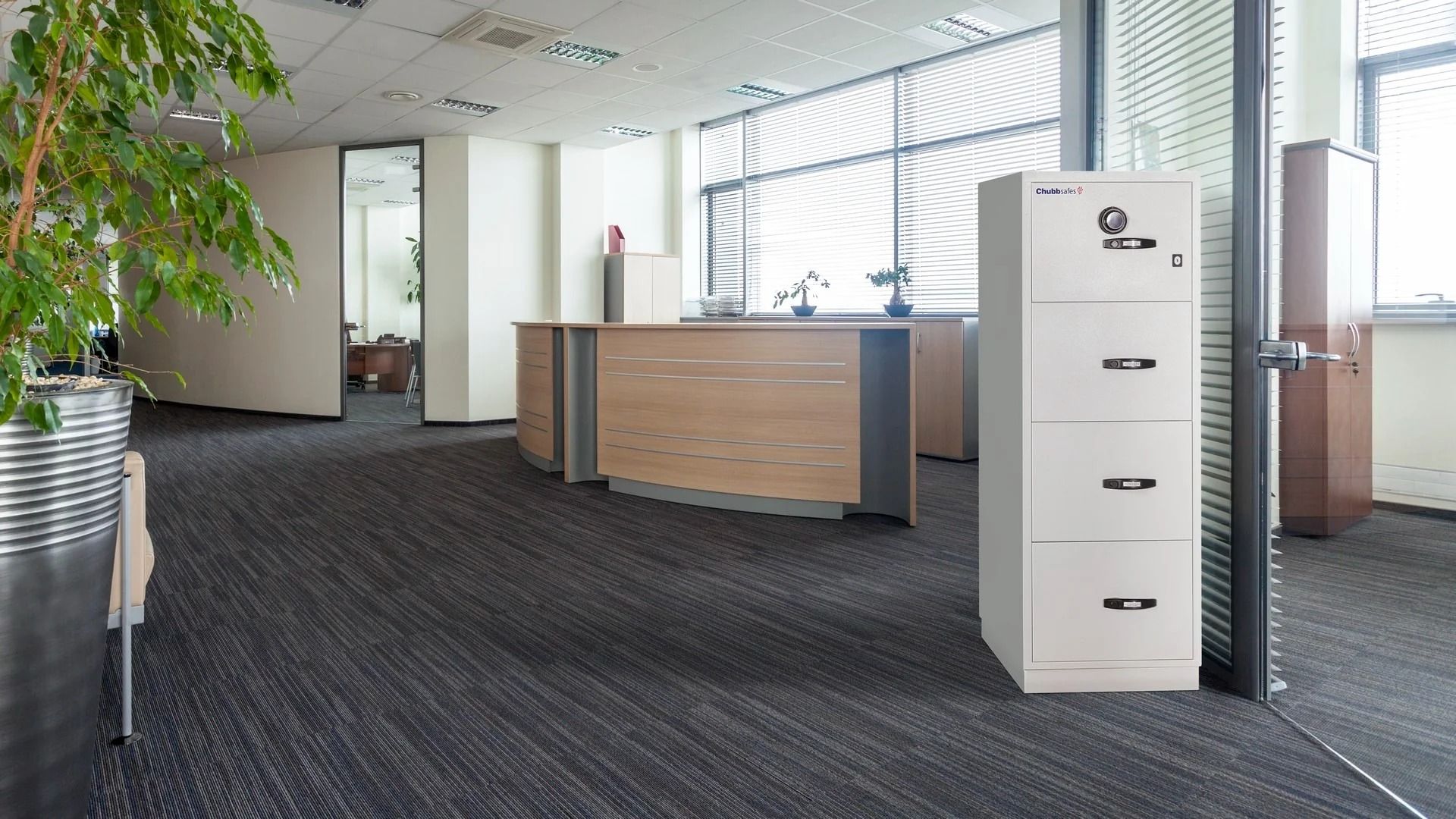
Start with the real protection goals
Different items create different risks, such as fire exposure for documents or pry-attempt concerns for lock security safes points. A clear inventory helps you choose the right construction, locking mechanism, and internal layout. It also makes it easier to evaluate whether a safe truly fits your lifestyle and workspace.
Next, consider how the safe will be used in day-to-day life, not just in a scenario. If you need frequent access to documents or a quick opening for authorized users, the lock type and door swing matter. For firearms storage, you should also plan for how you will organize contents inside and whether you need additional compartments. Use your usage needs to judge whether a given model will remain convenient while still meeting security expectations.
Compare service quality, not just the safe
A strong buying experience often separates the best providers from the rest. Look for clear guidance on sizing, door configurations, and appropriate product categories for your purpose. Compare whether the seller provides practical advice about pistol safe placement, anchoring, and safe handling during installation. Service quality can also show up in responsiveness when you ask questions about locks, access options, and suitability for home or commercial environments.
Installation and after-sales support are part of “service comparison,” especially for heavier units. Some suppliers may offer documentation that helps with correct setup, while others provide less detailed information and leave you to figure things out. If you’re outfitting a workplace, ask how the supplier supports compliance needs, delivery timelines, and product availability. A provider that can explain how to maintain the safe and what to expect from the locking system reduces long-term frustration.
Match safe specifications to your threat profile
Even within the same category, construction details change outcomes during forced-entry attempts. Compare door thickness, locking bar design, and how the hinges and frame are reinforced. Pay attention to fire ratings if you’re protecting paper records, certificates, or digital storage media that can be damaged by heat. A safe with strong protection in one area but weak performance in another may not match your overall goals.
Locking technology should also be compared with your access requirements. Mechanical options can be straightforward, while electronic solutions may offer features like programmable entry codes depending on the model. Check whether you can manage access securely while preventing unauthorized use, and ensure the safe’s internal space suits the items you intend to store.
Conclusion
Start with your protection goals, then evaluate how well a supplier helps you select the right construction, lock type, and size. Strong service includes practical guidance, clear documentation, and support that helps you set up the safe correctly for home or commercial use. By pairing the right safe specifications with a provider that can explain what matters, you improve your odds of getting protection that lasts. Explore selections at securitysafes.com.au to find practical solutions tailored to everyday security needs.