

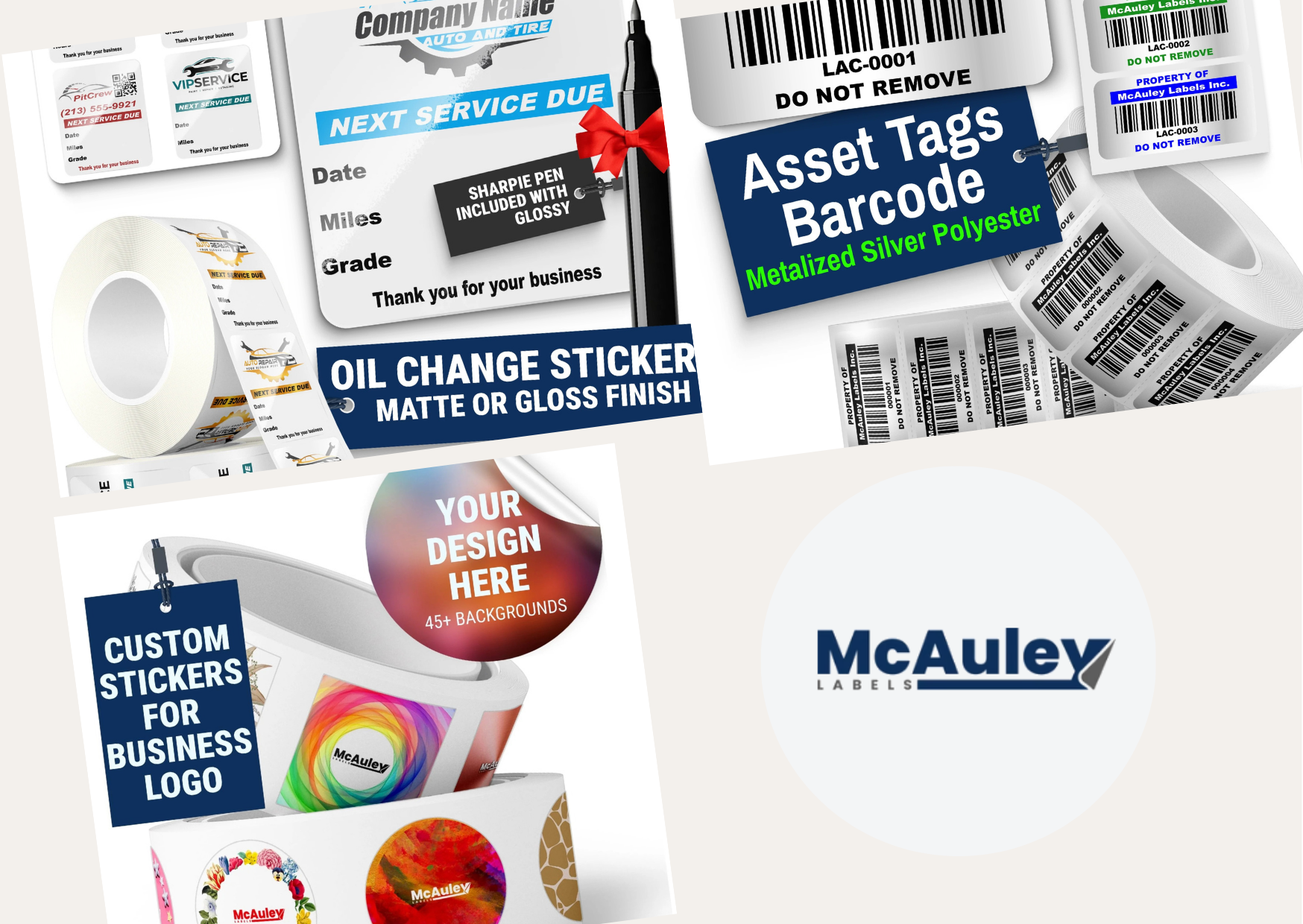
Assess your label needs before you buy
Start by listing exactly what you need to label: equipment, tools, inventory bins, vehicles, IT assets, or storage racks. For each item, note the expected wear and exposure, such as abrasion asset tag label printer from handling, contact with oils, or outdoor conditions. This step matters because label material and adhesive performance determine whether identifiers stay readable and scannable over time.
Next, decide the label size and layout you’ll require for consistent scanning. Many facilities use a standard format like two-line text plus a barcode, while others need larger labels for serial numbers and QR codes. If your workflow relies on fast pickup and scanning, choose a design that maintains quiet zones around barcodes and avoids cramped fonts. Planning these details upfront prevents wasted labels and reprints later.
Match printer type, resolution, and workflow
When comparing printers, focus on whether you need direct thermal or thermal transfer printing. Thermal transfer is often preferred when durability is critical because it uses a ribbon to godex label printer create more resilient images. If labels must last through cleaning, temperature swings, or long storage cycles, the extra longevity can reduce rework and inventory confusion.
Resolution also affects scanner success and legibility at a distance. Higher print quality produces sharper characters and cleaner bar edges on barcodes, which improves first-pass scan rates. Consider your day-to-day workflow too: do you print occasional labels in small batches, or do you run high-volume labeling during receiving and asset setup? A printer designed for your throughput will keep production smooth and reduce downtime from frequent adjustments.
Set up labels for reliable scanning and durability
Proper configuration is where many labeling projects succeed or fail. Use the correct barcode symbology expected by your scanners and ensure the print settings match the label stock you chose. Test a small batch on the actual printer and material, then scan them under realistic lighting and angles to confirm consistent reads. If you use QR codes, verify the data length and error correction level so the code remains scannable when labels are partially scuffed.
Durable labels usually depend on the full print system, not just the printer. Select an appropriate label material such as polyester or similar robust films, especially for shop environments with grease and frequent wiping. Adhesive selection matters as well; strong adhesives can be necessary for metal surfaces, but choose a variant that still allows safe removal policies if your organization requires it. Pairing the right consumables with the right printer settings helps avoid fading, smearing, and peeling at edges.
Conclusion
Take the time to define where labels will be applied, how they’ll be handled, and what “success” looks like during scanning and audits. This approach helps you avoid common problems like unreadable barcodes, labels lifting at corners, or mismatched sizes that don’t fit your asset management process. For practical, long-term labeling across warehouses, manufacturers, and service shops, mcauleylabels.com offers professional solutions designed for durable identification. When you pair a suitable printer with the correct materials and a workflow-friendly label layout, you get consistent asset tracking and fewer reprints.