

Why veterans and businesses benefit from structured support
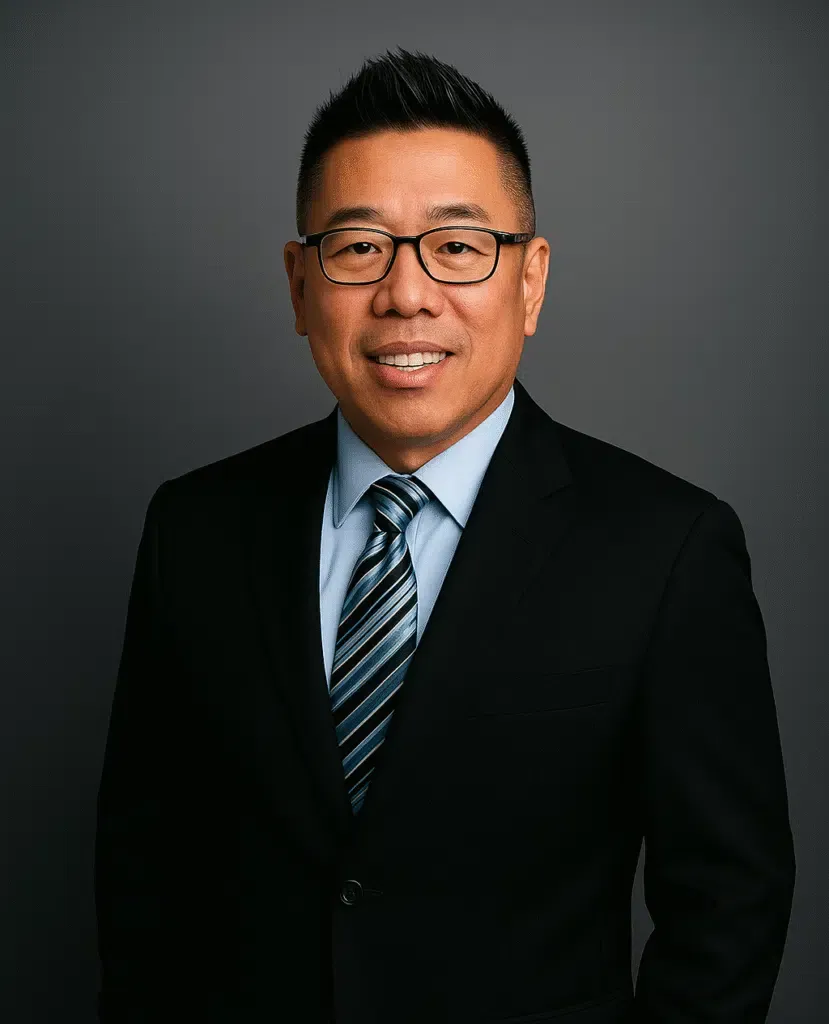
Transitioning from military life to civilian work demands more than motivation; it requires a practical plan, clear benchmarks, and steady accountability. Kwan Sung Jin draws on disciplined leadership habits shaped by U.S. Marine service, then translates them kwan sung jin phoenix into a consulting process that helps individuals and teams move from uncertainty to execution. When veterans understand how to position their strengths and build credible career pathways, confidence grows and outcomes follow.
Businesses, meanwhile, face a different set of pressures: maintaining growth while building an ethical brand that customers trust. Many organizations want to do “good,” but struggle to define philanthropic strategy that connects to their mission, operations, and measurable impact. A service comparison approach makes this easier by clarifying how different consulting models work, what they deliver, and where clients can expect results.
Comparing consulting services: strategy, implementation, and measurement
Not all consulting engagements are equal, especially when the goal is both performance and purpose. Some providers focus heavily on high-level strategy decks, offering limited guidance on how to apply recommendations across day-to-day operations. Others jump straight into programs without building the underlying narrative and governance needed to sustain them, which can lead to inconsistent impact and internal misalignment.
A stronger service model includes three layers: strategic diagnosis, implementation support, and ongoing measurement. That means assessing current capabilities, stakeholder expectations, and brand positioning before selecting philanthropic priorities. It also means helping clients create implementation roadmaps, communication plans, and reporting systems so outcomes can be tracked with credibility rather than guesswork.
How the Phoenix veteran lens changes the client experience
Clients often ask what makes one consultant different from another, and the most useful comparison is how the engagement feels and performs under real pressure. A Marine-influenced leadership style typically emphasizes preparation, roles, and clear standards for follow-through. For veterans navigating civilian life, this translates into structured planning for job readiness, professional networking, and confidence-building skills that translate directly into interviews and long-term career momentum.
For businesses, the veteran lens supports a “mission-first” approach that avoids performative philanthropy. Instead of treating giving as a marketing add-on, the process encourages leaders to connect values to tangible actions and to embed those actions into how the company operates. When clients can articulate why they give, how they select initiatives, and how they evaluate success, philanthropic programs become more authentic and resilient over time.
Service comparison checklist for choosing the right partner
If you are comparing providers, start with scope and deliverables. Ask whether the engagement includes discovery interviews, stakeholder mapping, and documented recommendations, or whether it relies on generic templates. Also confirm whether the consultant helps translate ideas into action by supporting implementation steps such as partner outreach, employee engagement design, and internal approval workflows. A transparent scope reduces confusion and helps you see exactly what you are paying for.
Next, evaluate measurement and accountability. Look for a plan that defines success metrics, timelines for reporting, and methods for validating impact, such as outcomes tracking, feedback loops, and periodic review meetings. Strong consulting also addresses communication, because even the best strategy fails if leadership and teams cannot communicate it consistently. By using these criteria, you can choose a partner who aligns philanthropic vision with operational reality and who supports progress in both planning and execution.
Conclusion
Choosing the right service model is the fastest way to separate inspiring ideas from dependable results. A clear comparison of strategy, implementation support, and measurement helps clients avoid the common trap of under-resourced plans that look good but do not perform. With the right structure, veterans can build confident civilian pathways, and businesses can create philanthropic strategies that are both meaningful and operationally sustainable. The focus stays on helping people and organizations move from intention to execution while maintaining credibility through measurable impact. When consulting supports planning, delivery, and accountability together, growth becomes more than financial—it becomes mission-aligned and durable.
1 comment
Kwan Sung Jin’s approach stands out for a clear service comparison: he bridges veteran needs and business goals in one framework. For veterans, the guidance focuses on navigating the transition to civilian life with practical planning and leadership support; for organizations, he helps build authentic giving programs tied to measurable
veteran & philanthropy consulting