

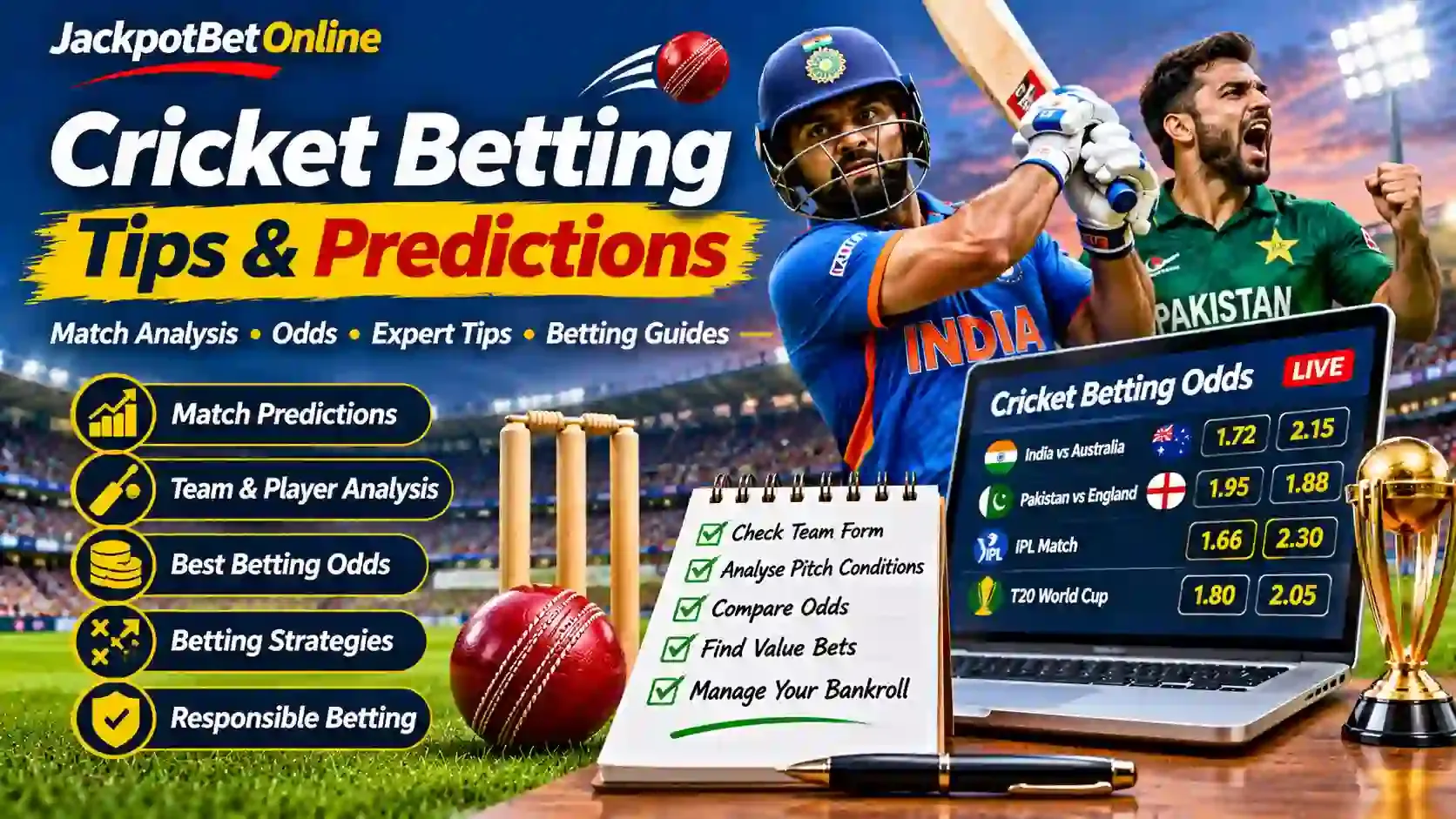
How to compare sportsbooks before you place a bet
Getting value in cricket betting starts with choosing the right bookmaker, not just finding the best team. Different sites price the same match markets differently because of their own risk models, limits, and liquidity. Even when two books show the Cricket betting tips same headline odds, the underlying settlement rules and market availability can vary. Before committing, compare prices for key markets like match winner, top runs, and totals, then check whether alternative lines are offered.
You should also examine how each sportsbook handles common cricket scenarios that affect payouts. For example, some books may grade certain props differently if a batter is retired hurt or if an innings is shortened. Live betting markets can also differ in depth, with some platforms offering ball-by-ball style updates and others updating only at intervals. Look for clear rules pages and visible market cutoffs, since uncertainty around grading can be as costly as a low price.
Match markets that reward good research (and better pricing)
Cricket is a sport where small edges add up, especially when you bet with a market-aware approach. When you evaluate a match, focus on the markets that reflect how games actually unfold: innings totals, over/under runs, and opening partnership outcomes. These lines often respond faster to pitch reports, team selection news, and weather changes than broad “winner” prices. If your book offers multiple run lines, compare the distribution of odds across the ladder rather than settling for the first number you see.
Player props are another area where book comparisons matter because grading can differ and odds can be skewed by assumptions about roles. For example, a top-bowler market may price a bowler heavily if the site expects them to bowl during powerplays, but your analysis may suggest a different bowling plan. Similarly, top-batsman markets can shift if one team promotes a finisher higher in the order, changing strike-rate impact. Use each bookmaker’s market list to confirm that you can bet the player angles you trust, including props with clear wicket and run counting rules.
To make your comparisons practical, create a quick checklist for each match you study. First, verify that the lines you want are available for that tournament and that they match standard rules for overs, innings, and player participation. Next, compare odds for at least two correlated markets, such as total runs and over/under in the first innings, to see whether the book is pricing the game consistently. Finally, check whether your preferred method is supported, like live in-play betting for swing factors such as early wickets or sudden dew conditions.
Using form, conditions, and squad news across books
Even the best odds won’t help if your underlying assumptions are off, so combine cricket research with sportsbook comparisons. Start with recent form, but interpret it through role context: a middle-order batter can look “in form” because of favorable matchups, while a top-order star might be facing tougher new-ball spells. Then add head-to-head patterns cautiously, because team tactics evolve and lineups change. Use this blend to create a range of likely outcomes rather than a single rigid prediction.
Pitch and weather impact cricket more than many casual bettors expect, and different books sometimes adjust pricing at different speeds. If you have a pitch report suggesting a slower surface, you may expect lower scoring totals and fewer boundaries, which affects over/under lines and innings totals. If rain risk or wet outfield conditions appear, ball-by-ball performance can shift, influencing wicket probability and run rates. Compare how each sportsbook prices those totals and whether they offer the same alternative lines that reflect your scenario range.
Squad selection is also a pricing lever, especially in leagues where teams rotate based on matchups. If a key bowler is returning from injury or a batter is promoted to anchor, your market probabilities change and should be reflected in pricing. Before placing bets, check the latest team news and then compare odds for the markets most sensitive to those changes, such as top bowler props, highest opening partnership, and totals. When one bookmaker lags behind new information, you may find a better price for the same risk.
Bankroll management and responsible betting with comparisons
Compare maximum bet sizes, wagering limits, and settlement speed across sportsbooks so your plan fits how the platform operates. Some bettors prefer to use a smaller stake per match to survive streaks, while others use larger stakes when they find strong pricing gaps. If your chosen book restricts stake size or delays withdrawals, it can disrupt your strategy even when your picks are sound.
Also pay attention to promotions and fee structures that influence net returns. A site might offer a tempting first-bet bonus, but the effective value can drop after considering bonus terms, rollover requirements, or reduced odds on certain markets. Compare the availability of free bets or boosted odds for specific cricket match types, because these perks may be limited to certain leagues or market categories. The goal is to ensure that your expected value stays positive after all costs, not just before you place the bet.
To keep risk controlled, consider diversifying across market types rather than stacking everything on one outcome. For example, you can pair a totals angle with a top-bowler or opening partnership market if your analysis supports both probabilities. Just remember that correlated bets can still concentrate risk, especially if they depend on the same game state like early swing. Use comparisons to find the best pricing for each leg, and only combine selections when your research supports the same narrative about how the match will play out.
Conclusion
Smart cricket betting starts with comparing sportsbooks, because pricing differences can be the edge that turns good research into better outcomes. By checking market availability, grading rules, and live betting features, you reduce avoidable surprises that can affect results. Then align your selection logic with match dynamics such as batting order roles, bowling plans, pitch behavior, and weather-driven scoring shifts. When you pair informed analysis with disciplined comparisons, you give each bet a clearer rationale. Remember that no bookmaker can remove the uncertainty built into cricket, and no prediction guarantees profit. Use bankroll management to plan for variance, compare stake limits and net costs, and avoid overexposure to a single storyline. If you approach each match with a market-first mindset, you’ll be better equipped to evaluate value and make more consistent decisions across tournaments. For responsible wagering, focus on education, transparency, and careful preparation every time you place a bet.