

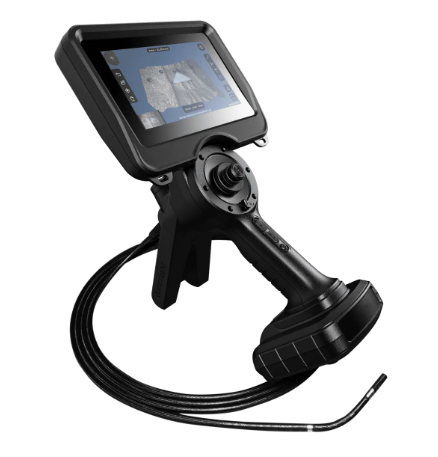
In aviation maintenance, inspection images are only as valuable as the decisions they enable. A clear photo can speed up a repair plan, support a monitor decision, or help a supervisor sign off with confidence. A vague image does the opposite. It triggers follow-up questions, re-scoping, and delays that push work into the next shift or the next day. The best inspection teams treat images as the start of a data trail, not the end of the job. That is where modern measuring videoscopes can make a real difference, especially when they combine visual confirmation with measurement and documentation features. Suppliers like USA Borescopes focus on inspection systems designed to help technicians capture usable evidence and translate what they see into information that maintenance teams can act on.
The Gap Between Seeing a Defect and Acting on It
Most borescope findings fall into one of two categories. Clear and urgent, or unclear and time-consuming. The second category is where schedule pressure builds, because uncertainty often creates extra work.
Why high-stakes teams need more than photos
A single image can show that something exists, but not always what it is or how serious it may be. A reflective surface can turn a harmless scuff into something that resembles a crack. A curved airfoil can distort a defect boundary. Carbon and heat tint can obscure endpoints. When the finding is not immediately obvious, maintenance decisions tend to stall while the team collects more context.
This is also where inconsistency sneaks in. Two technicians can look at the same image and reach different conclusions, especially when the defect has no clear reference for size. Even if both technicians are highly skilled, a single viewpoint can push them toward estimation instead of confirmation.
What actionable data looks like in practice
Actionable inspection data usually includes three parts:
- Visual clarity that shows edges and surface condition reliably
- Context that confirms orientation and location on the part
- Measurement or repeatable sizing that supports consistent decisions
When those pieces come together, teams can do more than document a defect. They can decide the next step quickly and explain that decision to others in the chain, including leads, QA, and engineering.
Spotlight: USA3000J-6 Imaging and Capture Quality
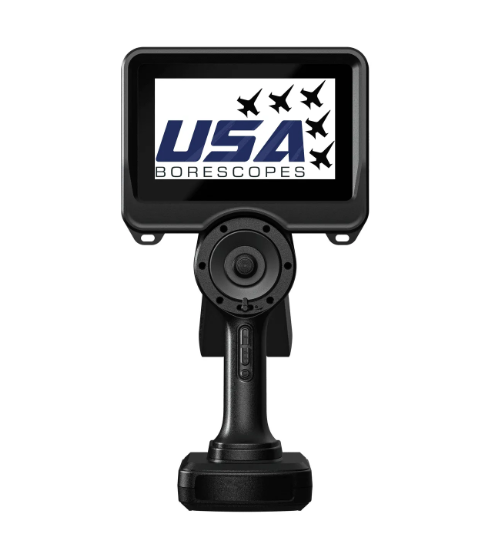
A practical way to close the gap between images and decisions is to use a scope designed for both confirmation and measurement. A strong example is the USA3000J-6 joystick articulation 6mm dual view 3D measuring videoscope. Its core idea aligns with what aviation teams need most: clear visuals, the ability to confirm what they are seeing, and the ability to measure findings so the output is more than a picture.
How higher image clarity supports better calls
Image quality matters most at the edges. The boundary of a nick, the endpoint of a crack-like indication, or the outline of corrosion are all edge problems. When edges look soft, technicians compensate by zooming, changing angles, and taking more images. That extra time adds up fast in an engine inspection.
Sharper imagery can reduce that back-and-forth. It helps technicians classify what they are seeing and document it clearly the first time. It also helps reviewers who were not present at the inspection. If the image communicates the defect cleanly, the decision process becomes smoother across the entire team.
Using the screen for faster field documentation
Data capture is more effective when it fits the flow of the job. When technicians can review the image immediately, confirm coverage, and capture the best frame, they reduce the risk of leaving the engine only to find out later that the evidence was incomplete. That is especially valuable when access is tight, the port is difficult to reach, or time on wing is limited.
The goal is not to collect more media. It is to collect the right media and pair it with details that support a maintenance decision.
Converting Images into Measurements Technicians Can Use
Clear visuals help, but measurement is what turns a visual finding into something repeatable. Measuring capability changes the conversation from what it looks like to what it is.
Dual view confirmation before measurement
Dual view imaging supports a better measurement workflow because it helps confirm defect boundaries. In a single view, a technician might struggle to tell where a scratch starts and ends, or whether a line is a true crack-like feature or a reflection pattern. A second viewpoint helps validate endpoints and depth cues. Once the boundary is confirmed, measurement results are more trustworthy.
This is especially useful on curved surfaces like blades and vanes, where perspective can be misleading. A second view can help the inspector verify that they are measuring the actual defect, not the shadow of a feature or a highlight line from lighting.
Practical 3D measurement outcomes
3D measurement is most valuable when it supports the kinds of decisions technicians make every day:
- Determining whether a nick on a leading edge is within allowable limits
- Sizing a suspected crack-like indication to support monitor versus action
- Comparing corrosion area or pitting concentration across intervals
- Confirming whether surface distress has grown since the last inspection
In each case, measurement helps reduce subjective language and improves consistency. The decision becomes easier to justify because it is supported by both visuals and sizing.
Using measurements to drive consistent maintenance decisions
Maintenance teams often face pressure to make calls quickly. Measurement supports speed, but its bigger benefit is consistency. When the same feature is measured across shifts, the team is less likely to debate severity. When a supervisor reviews evidence, they can focus on the decision itself, not on whether the image is interpretable.
Measurement also improves trend tracking. A defect that is acceptable today might need monitoring. If the next inspection produces comparable measurements, the team can see whether the condition is stable or changing. That helps avoid reactive decisions and supports a more disciplined condition-based approach.
Making Inspection Outputs Easier to Review and Share
Even when a finding is correctly identified, it still has to travel through a workflow. That workflow may include a lead technician, QA, an engineer, or a customer representative. The more self-explanatory the inspection output is, the fewer cycles it takes to close the loop.
Building inspection-ready records
Inspection-ready documentation typically includes:
- A clear image that shows the defect and surrounding context
- A second confirming view when available
- Measurements that summarize size and help guide the next step
- Brief notes that identify the component area and what was observed
When technicians standardize these basics, reviews get faster. People spend less time asking for more pictures and more time deciding what to do.
Reducing the risk of re-inspection
Re-inspection is one of the most expensive side effects of unclear documentation. It costs time, creates scheduling challenges, and increases handling steps. Dual view and measurement reduce the chance that a reviewer will request a repeat look because the evidence was incomplete. That is a direct path to shorter turnaround and fewer disruptions.
A Simple Data Pipeline That Works in the Real World
Many teams do not need a complex system to improve outcomes. They need a repeatable routine that produces consistent, reviewable evidence.
Standardize what gets captured
A practical standard can be as simple as:
- Capture at least one image that shows full context
- Capture a close-up that highlights the defect boundary
- Use the confirming view to validate edges
- Record at least one measurement when the decision depends on size
- Add a short note that identifies the location and suspected defect type
That approach keeps inspections efficient while improving output quality.
Trend what matters, not everything
Not every observation needs long-term tracking. Trending works best when teams focus on defect types that commonly drive monitor decisions, such as small nicks, localized erosion, minor cracking indications, and early corrosion. Consistent images and measurements allow technicians to compare like-for-like across intervals.
Over time, this improves decision speed because the team has a baseline. Instead of starting from scratch each inspection, they start from history.
From Clearer Evidence to Faster Decisions
Turning inspection images into actionable data means building evidence that supports decisions without extra trips back into the engine. Dual view confirmation helps technicians validate what they are seeing. 3D measurement helps them size it consistently. Together, these capabilities reduce ambiguity, shorten review cycles, and improve repeatability across shifts.
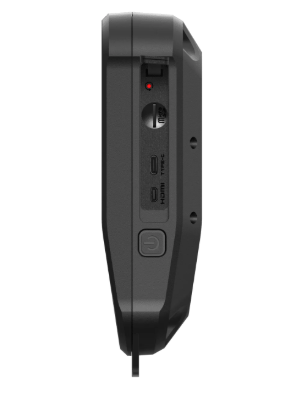
For teams comparing inspection tools, a useful starting point is the broader USA Borescopes product catalog to match scope features to inspection paths and documentation needs. For those evaluating a dual view measuring approach, the USA3000J-6 is positioned around the core outputs aviation teams rely on clear visuals, confirmation, and measurable results. To discuss fit, configuration, or pricing, readers can contact them for guidance. Learn more about USA Borescopes and its focus on visual inspection solutions for demanding environments.
About The Author
The author is a visual inspection and nondestructive testing specialist with experience supporting aviation maintenance teams and industrial reliability programs. They focus on inspection repeatability, documentation quality, and practical methods that reduce rework. Their perspective comes from field workflows and training support across multiple inspection environments.

58 comments
Great insights here; a thoughtful approach to building user-friendly sites can really boost engagement and conversions, especially when balancing speed, security, and accessible design across diverse audiences and devices Online Store Development in Belgium.
Great insights in today’s post. I appreciated the practical tips and the thoughtful perspective on organising space efficiently, which really resonates with teams juggling multiple projects and tight schedules student locker management USA.
Insightful read that resonates with many readers; thoughtful perspectives on how technology shapes daily choices and long-term goals, inviting balanced, curious discussion and practical takeaways for navigating complex digital landscapes AI Life Advisor.
Insightful post that highlights balancing transparency with trust. I appreciate practical tips for safeguarding sensitive data while empowering teams to stay productive and informed about their rights and responsibilities employee privacy protection solution.
요즘 슬롯플러스 기술이 정말 빠르게 발전하고 있네요. 사용자 친화적인 인터페이스와 안정적인 시스템 덕분에 많은 사람들이 쉽게 접근할 수 있는 것 같아요. 앞으로도 슬롯플러스가 다양한 기능과 재미를 더해주길 기대합니다!
Es interesante cómo las agencias de demostradoras han evolucionado con la tecnología, facilitando la conexión entre marcas y consumidores. Grupo Relsa, al incorporar estas agencias, puede potenciar significativamente sus campañas promocionales y mejorar la experiencia del cliente, aprovechando herramientas digitales para una mayor efectividad.
Ottimo articolo! Per chi cerca un’Agenzia web in Ticino, è fondamentale affidarsi a professionisti che comprendano davvero le esigenze locali e offrano soluzioni innovative. EAdigital Consulting si distingue proprio per questo, combinando esperienza e tecnologia per far crescere le aziende sul mercato digitale. Consigliata per chi vuole un partner serio
This blog offers great insights into choosing the best CRM for real estate professionals. In a competitive market, having the right CRM can streamline client management and boost sales efficiency. It's important to select a platform tailored to real estate needs, ensuring features like lead tracking, automated follow-ups, and integration