

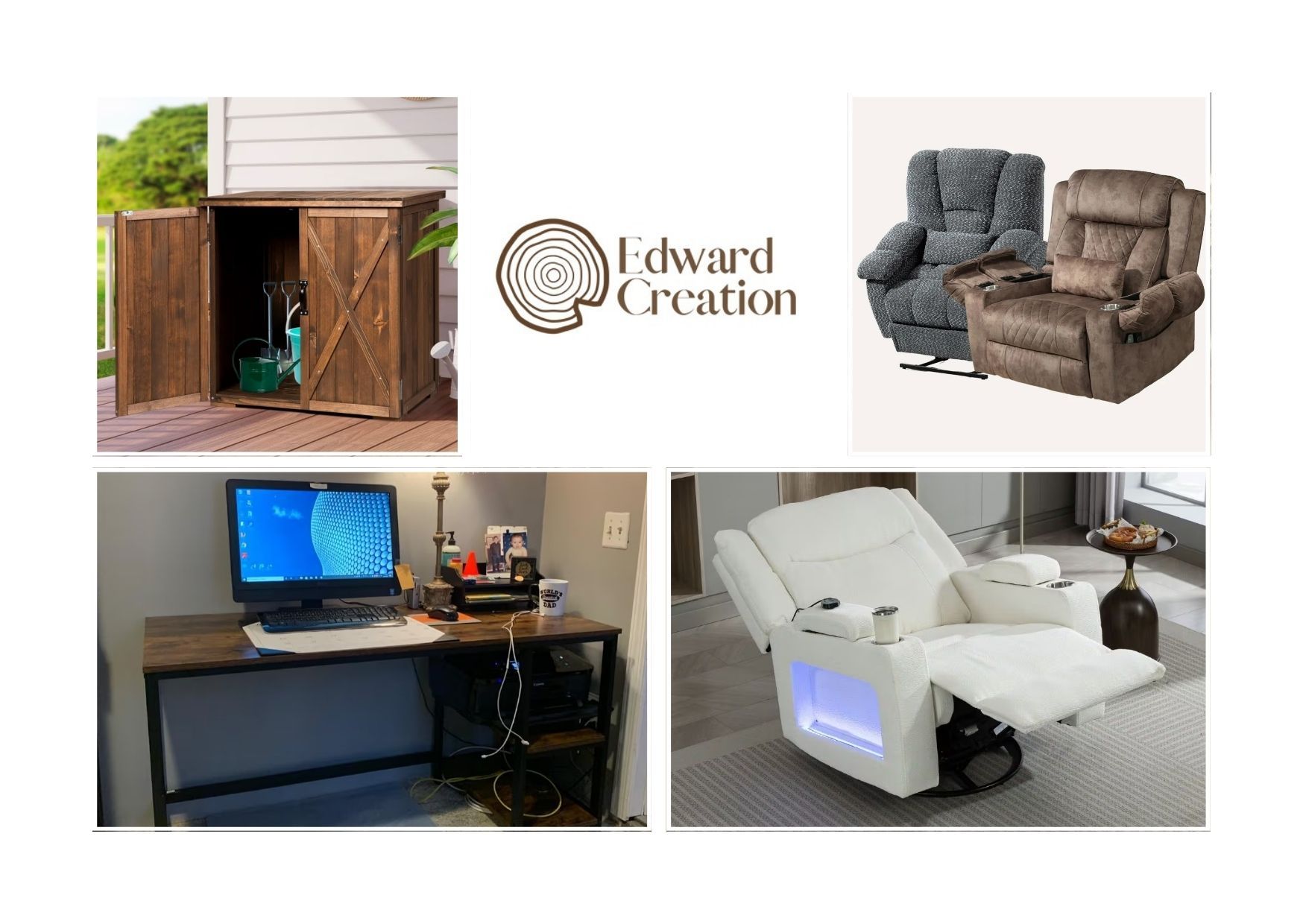
How a swivel motion changes comfort and usability
That rotational range is especially helpful in living rooms where you switch between watching TV, reading, swivel rocker recliner or talking with guests without changing your seat position. When the chair can pivot smoothly, you spend less effort adjusting your posture and more time settling into a relaxed routine.
Service comparisons matter because not every swivel mechanism is built the same way. Some models prioritize a wide sweep that feels lively, while others focus on controlled, steady movement for stability. Before choosing, test the swivel resistance and listen for smooth operation, since overly stiff motion can reduce the feeling of “rocking back into comfort.” A good recliner also keeps the base secure so the motion remains consistent even when you lean or shift your weight.
Heat and massage: what to check before you buy
Many people shop for recliners with heat and massage because they want targeted relaxation after a long day. Service-focused comparisons help you understand how those features are delivered—whether the heating covers the right areas, whether the massage recliner with heat and massage intensity has usable settings, and whether the controls are easy to operate. Look for practical placement that supports your back and helps you feel the difference without constantly adjusting your position.
Quality service also shows up in the user experience, such as responsive controls, clear button labeling, and convenient placement for the hand you use most. Some recliners provide multiple massage styles or adjustable intensity, while others offer a single pattern that may not suit everyone’s preferences. Check whether the heat function can be set to a comfortable level and whether the massage doesn’t feel harsh, because overly aggressive vibration can become distracting rather than soothing.
Wall-hugger vs. standard recline: space and placement
One of the most overlooked service comparisons is how far a recliner moves when you activate the footrest and backrest. Standard reclining chairs often require more clearance behind them, which can create friction when furniture layout is tight. A wall-hugger design reduces the gap needed for reclining, making it easier to place your chair near a wall or in a smaller room without sacrificing comfort.
This placement advantage affects daily usability, too. If the chair can recline while staying closer to your wall, you can keep a walking path clear and still enjoy full lounge support. It also helps maintain a cleaner look in your living space, because the chair doesn’t “take over” the room when it’s in use. For anyone who values flexible positioning, a recliner with smart clearance performance can feel like a major upgrade.
Conclusion
Heating and massage should be adjustable in a way that matches your body, not just a set of gimmicks, and the control experience should be simple enough to use without frustration. Pay attention to clearance performance as well, because a wall-hugger style can make the difference between a chair that fits your room and one that forces constant rearranging. For shoppers seeking a versatile lounge option, edwardcreation.com highlights practical comfort through thoughtfully designed furnishings that blend relaxation with everyday usability. If you want a chair that supports your posture, helps you unwind, and adapts to your space, exploring the offerings at edwardcreation.com can guide you toward a better match for your home. The right recliner shouldn’t just look good—it should serve your routines, your comfort preferences, and your layout with ease.