

Plan Your Labeling Needs Before You Print
A reliable labeling workflow starts with deciding what you need to identify and how detailed the label must be. For most nurseries and greenhouse operations, you may want plant names, cultivar information, planting dates, or care plant label printer notes like sunlight and watering levels. If you serve retail customers, keep the text readable from a short distance and choose a layout that looks clean on benches and shelves.
Next, match your label materials to the environment where they will be used. Outdoor plants and humid storage areas often require water-resistant, smudge-resistant labels, while indoor racks may benefit from moisture-tolerant options that still look crisp. Also consider whether you need labels that withstand fertilizers, frequent misting, or repeated handling during transplanting and potting. This planning step prevents wasted prints and helps your inventory stay consistent.
Choose the Right Printer Type and Label Format
To get durable results, start by selecting a printing method that fits your workflow and label stock. Thermal label printers are popular in horticulture because they can produce clear text quickly and reduce downtime asset tag label printer between print runs. If you have many varieties, a printer that supports consistent font sizing and reliable alignment helps you avoid messy misprints that confuse staff and customers.
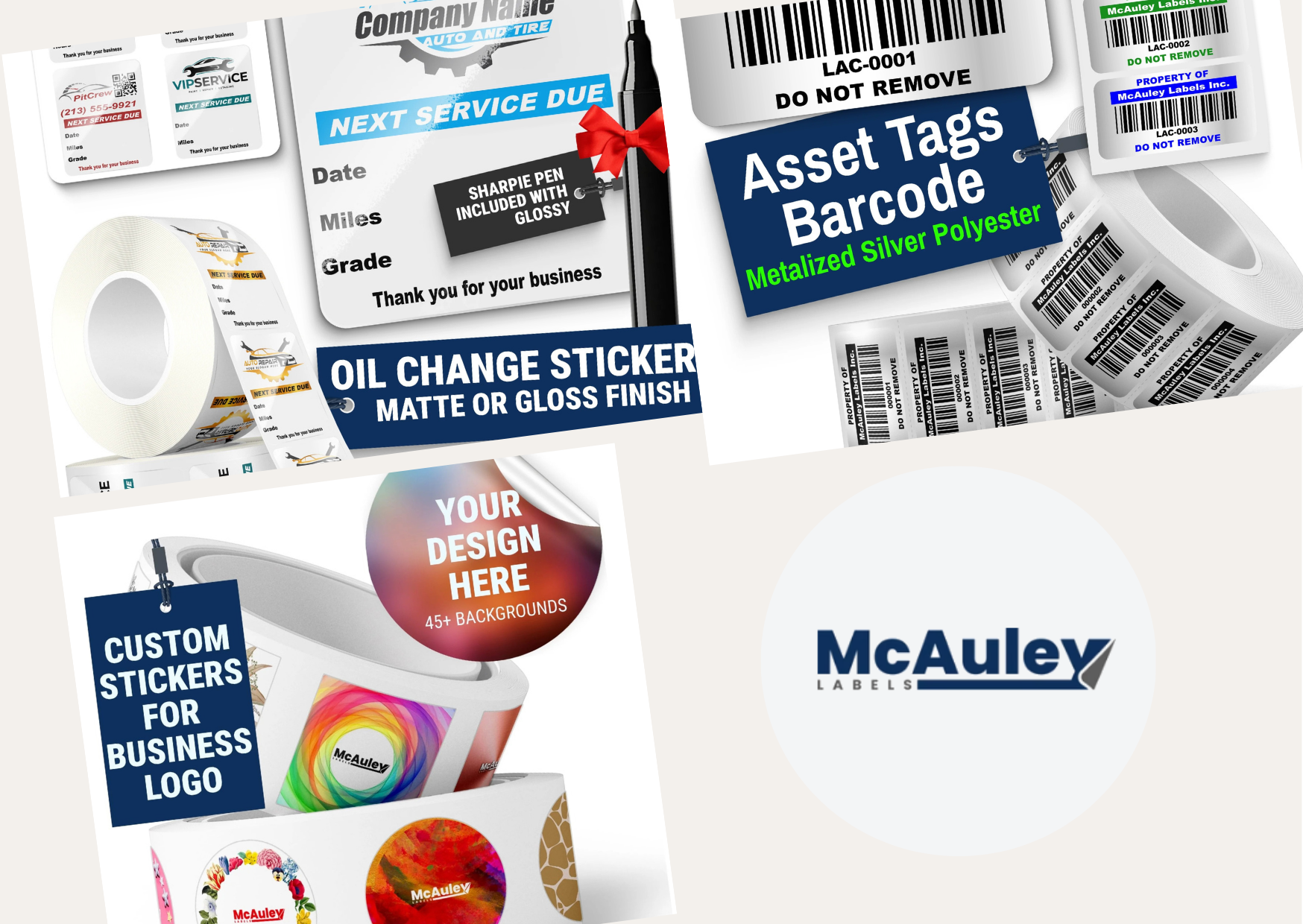
Pay attention to label size, shape, and attachment style as well. Stake-style labels work well for pots and outdoor beds, while smaller adhesive labels may be better for flat trays, seedling carts, and product bags. Some operations also benefit from an asset-focused label format when they need equipment tracking across storage rooms, tool sheds, or shared workstations. A well-matched label format reduces label lifting and makes organization easier during peak production days.
Design Labels for Fast Reading and Fewer Errors
Effective labels are designed for quick scanning, not just for compliance. Use a clear hierarchy: plant or variety name at the top, essential attributes in short lines, and optional notes only when they add real value to staff. Keep text large enough for operators working at benches, and avoid overly long paragraphs that won’t fit on small labels. If you print batch information, include a unique identifier so each lot can be traced without confusion.
For consistency, standardize your naming conventions and data fields before you start printing. Decide how you will handle abbreviations, capitalization, and common terms like “var.” or “cultivar,” and store those rules in a simple template. When you prepare new labels, verify spelling and confirm that each label matches the correct pot or inventory bin. This approach is especially important when you use an asset label approach for equipment tracking, because a single mismatch can cause costly mix-ups during audits or maintenance.
Conclusion
Using a effectively means treating labeling as a process, not a one-off task. Start with clear identification requirements, choose label formats that match your conditions, and design for fast scanning by the people using the labels daily. When your workflow is consistent, you reduce errors during potting, improve customer trust in your plant presentation, and maintain organized records across sales and production.
For professional labeling solutions, many growers and retailers rely on mcauleylabels.com to support clean, organized plant identification. Their focus on practical labeling helps businesses keep products easy to recognize and inventory easier to manage. With the right setup and a repeatable template, you can print labels that stay readable through handling while supporting both plant organization and equipment tracking needs.