

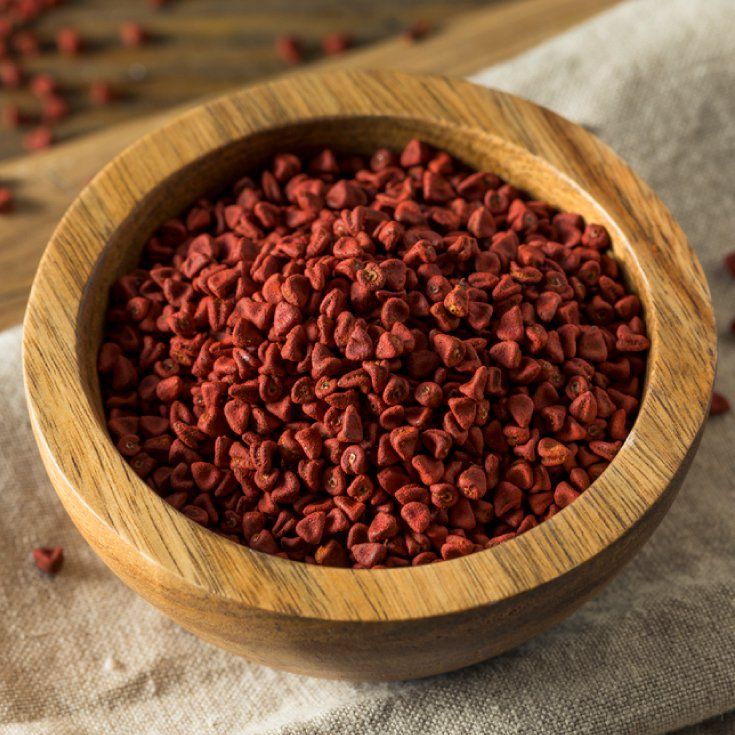
Natural ingredients have emerged as a key component of present-day food production, and one of the most commonly used natural coloring solutions is annatto color. Annatto comes from a tree (Bixa Orellana) and has been used for a long time to produce warm yellow, orange and golden colors for many different foods.
Due to the manufacturers’ efforts to produce clean-label products, there has been an increase in interest in the annatto food color market in several industries. It is also a natural source and looks good, so it is a good choice for replacing the synthetic coloring agents of the products that are suitable for the business.
While the words are sometimes synonymous, food manufacturers need to grasp the role annatto plays in food to help select the right solution for their production process.
What Makes Annatto Color a Popular Natural Ingredient?
A part of the reason why annatto color is so popular is that it is versatile. It adds rich color that works for a vast crop of foods, making sure your lines look clean and fine.
Annatto drops mostly into cheese, spreads, dips, breads, chips, drinks, sweets, and quick boxed foods. It gives a big mix of tones, from soft yellow to deep orange, based on how you mix it and heat it.
Annatto is also a plant-based source for manufacturers who value its use in products highlighting the use of natural ingredients. It aligns with a trend in food that’s focusing on cleaner ingredient lists.
How Annatto Food Color Performs in Different Applications
Its use as a food coloring is dependent on the product being developed. The final appearance may be affected by factors like pH, temperature, fat content and processing methods.
When using annatto with dairy products, it is usually chosen because of its ability to give a uniform color to the product. It will add nice, warm, comfortable colors to snack foods and bakery products that will hold up to processing. In addition, beverage manufacturers could consider using annatto for specific applications where the color properties match those of their formulation.
By testing the ingredient under actual production conditions, the manufacturer can find out how it will perform in their particular recipes that they will move to full-scale production.
Choosing the Right Annatto Solution
Not all food products need the same coloring. For some manufacturers, they require a stronger color, while others want softer colors that can match the overall appearance of the product.
It can be made easy by working with experienced suppliers of ingredients. Technical support assists manufacturers in assessing various types of annatto formulating according to production needs, storage conditions and the intended color result.
Keeping things steady is a huge point to weigh. Top suppliers follow strict master plant steps that help make sure the shade acts exactly the same across a lot of factory runs, which matters a lot for keeping your goods uniform down the road.
The Future of Natural Food Colors
The trend of consumers looking for natural-based ingredients is only increasing, and plant-based color solutions are a critical ingredient in product development. Annatto is one of the most tried and true natural coloring ingredients since it is versatile and can be used in a variety of applications.
New extraction techniques and new manufacturing technologies are continually improving the quality and characteristics of natural colors and providing food companies with more flexibility in producing new food formulations. The continuous development of this allows manufacturers to align with market expectations, achieve ingredient transparency, and maintain their visual appeal.
Conclusion
The role of annatto color and annatto food color is a significant one in assisting manufacturers to come up with visually appealing products from naturally sourced ingredients. For businesses wanting to learn more about natural color solutions and application expertise, they can head to foodrgb.com to find out more about ingredients that can be used across a wide array of food categories. A suitable natural color match can help achieve quality uniformity and provide a stimulating atmosphere for future innovations in the food industry.