

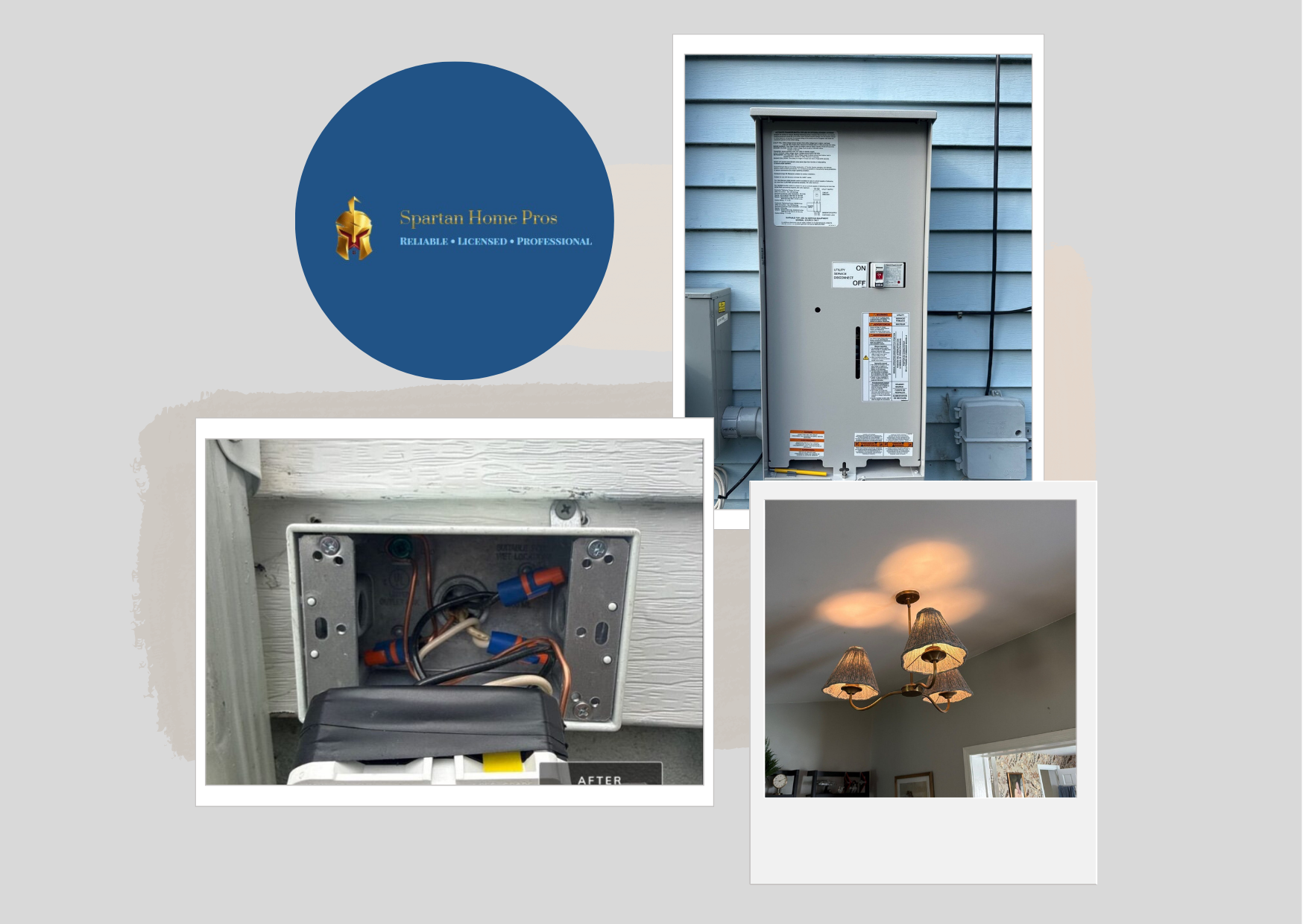
Choose the right generator size and fuel strategy
A successful whole home backup plan starts with sizing, not guesswork. An expert installer will calculate your peak and starting loads, then recommend a generator capacity that can handle surge demands from compressors, refrigerators, and HVAC. whole house generator installation This approach helps prevent nuisance overloads and reduces the risk of underpowered performance during outages. It also ensures your selected backup system supports the appliances and systems you value most.
Fuel selection is just as important as generator wattage. Natural gas models typically align well with homes that already have a gas supply, while propane can provide flexibility if you prefer storage on site. A professional recommendation also considers run time expectations, local utility rates, and how you want the generator to behave during extended outages. With the right strategy, your system can maintain critical loads without constant monitoring or inconvenient refueling.
Plan for safe transfer switching and code-compliant wiring
Proper transfer switching is the safety foundation for backup power. The installation should include an interlock or transfer switch designed to prevent backfeed into the grid, which can endanger utility workers and damage equipment. Expert electricians will evaluate ev charger installation your panel layout, choose the correct switching method, and verify that circuit routing meets code requirements. This reduces the chance of hazardous scenarios and supports dependable operation when you need it most.
Code compliance also affects wiring methods, grounding, and the placement of key components. Your installer should use appropriate wire sizing for the load, install weather-resistant equipment where needed, and ensure correct labeling for easy troubleshooting. A thorough job includes testing to confirm the transfer occurs as intended and that critical circuits energize properly. When the system is configured correctly, essential devices like refrigeration, lighting, and outlets can stay operational with minimal disruption.
Think ahead: integrate EV charging and other essentials
Many homeowners want more than emergency lighting during an outage, so it helps to plan for everyday convenience. If you plan to add an EV charger, an expert recommendation often involves aligning charger demand with the generator’s available capacity. Load management can help ensure you don’t exceed generator limits when a charger and other essentials run at the same time. This is especially important because EV charging can involve substantial power draw.
Beyond EV charging, you may also want to protect communications, security, and comfort devices. A professional installer can help prioritize circuits such as Wi-Fi networking, home security systems, sump pumps, and HVAC control circuits. This prioritization means your generator can cover what matters most without tripping breakers or reducing performance. The result is a backup setup that feels practical, not just theoretical.
Conclusion
Expert recommendations help you select the correct size, confirm safe transfer switching, and plan wiring to support reliable start-up under real conditions. With the right plan, outages become far less disruptive and critical comfort systems can keep running. To move from planning to a properly installed backup solution, work with licensed professionals who handle the electrical details end to end. njspartan.com supports homeowners with skilled electrical services intended to protect essential systems during unexpected power interruptions. When installation quality and safety checks are built into the process, your generator setup is more likely to perform when it matters most. That confidence is the real advantage of expert installation.